I opened every toy I was given. Not to break them, because I couldn't believe they
actually worked. I would yank out the motor, wire it to a battery, and wonder what
else it could do. Tiny vacuums. Little boats. A lot of things that never worked the
first time. My parents saw a mess. I saw something I hadn't finished yet.
That kid never really left. But somewhere between the broken toys and the working
ones, fun stopped being enough. I didn't want to build toys anymore. I wanted to
build fixes. A machine that could help a farmer who can't afford labour. A robot
that finds fire before it spreads. Problems people had accepted because nobody had
bothered to try.
That shift cost me more than I expected. I have burnt through roughly Rs. 10,000 in
wrong connections, dead components and ruined solder. Money I wasn't earning yet,
saved from my own snacks. Some weeks I'd skip lunch to afford a sensor. There were
nights I sat with a circuit that refused to work and told myself to stop. That this
wasn't for me. That I was wasting money I didn't have on something that might never
work.
But every time a single part came alive, one sensor, one motor, one small click in
the dark, it felt like something worth protecting. Worth not giving up on. I've
never spent a single rupee of my prize money on anything else. Every award goes
straight back into the next build. That's not discipline. That's just what it costs
to keep going.
Then, after Class 10, I had three months off. Most people rested. I picked up a
camera with my brother and started learning videography and editing. I wasn't the
one on screen. I was the one watching. Watching how light falls on a face, how a cut
changes the meaning of a moment, how a story is built one frame at a time. I learned
how the people behind the camera think. How they wait. How they make everything
look effortless when nothing about it is.
That three months taught me something I didn't expect. The person on screen is only
as good as the people who built everything around them. And that made me want to be
on screen even more. Which scared me.
Because here's the truth. I was always interested in presenting myself, but I was
scared of standing in front of people. Actually scared. The kind where your hands
shake before you even start.
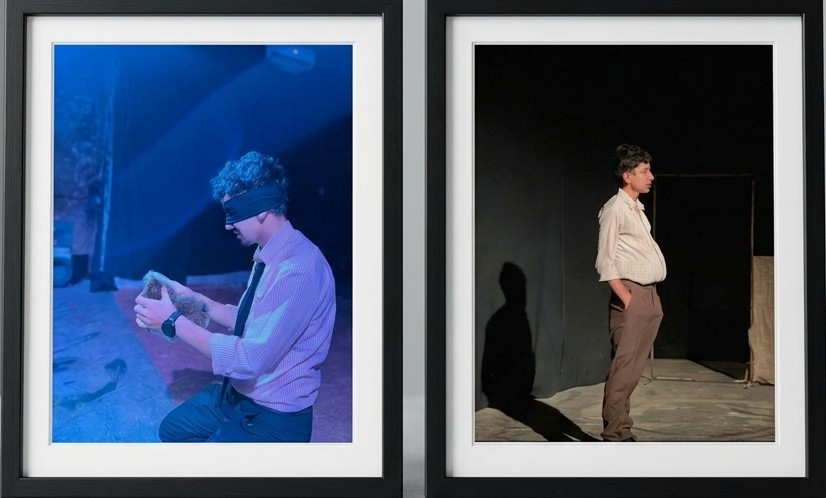
So in Class 11, I joined Pokhara Theater. I wasn't sure I belonged there. But I knew
if I didn't face the fear now, I'd carry it for the rest of my life.
The schedule was ugly. College from 10 to 5. Then straight to theater. Most days I
didn't eat between them. I trained next to people who'd been on stage for 10, 12,
15 years. People who moved like they'd been doing it since birth. I listened more
than I spoke. I copied. I asked questions nobody else was asking. In three months,
I learned more from them than I had from any class I'd ever sat in.
My first performance went better than I expected. Not perfect. But better. And I
remember standing backstage afterwards, still shaking, thinking: if I run from this
now, I'll run from it forever.
So I didn't run.
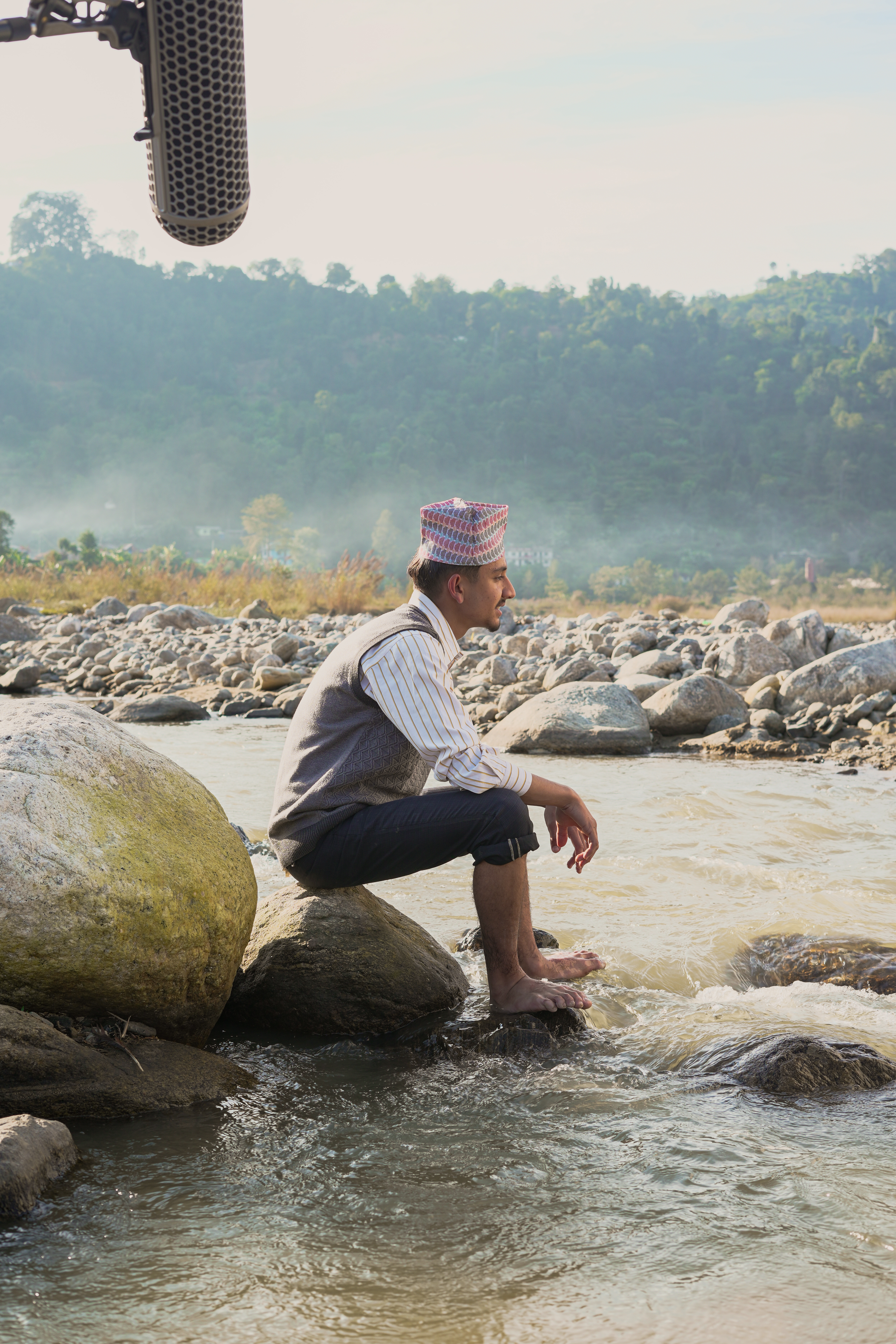
Then came Kaji. Three of us auditioned for the junior lead. I did a scene, waited,
and got the role. Standing on set with Bipin Karki and Keki Adhikari, actors I'd
grown up watching on screen, was surreal. Sharing scenes with Prakash Ghimire was
terrifying. I was the youngest one in the room. But I watched. I learned how a real
production breathes. Nothing is loud, nothing is rushed, everything is prepared long
before the camera rolls. I still use that discipline in every project I build.
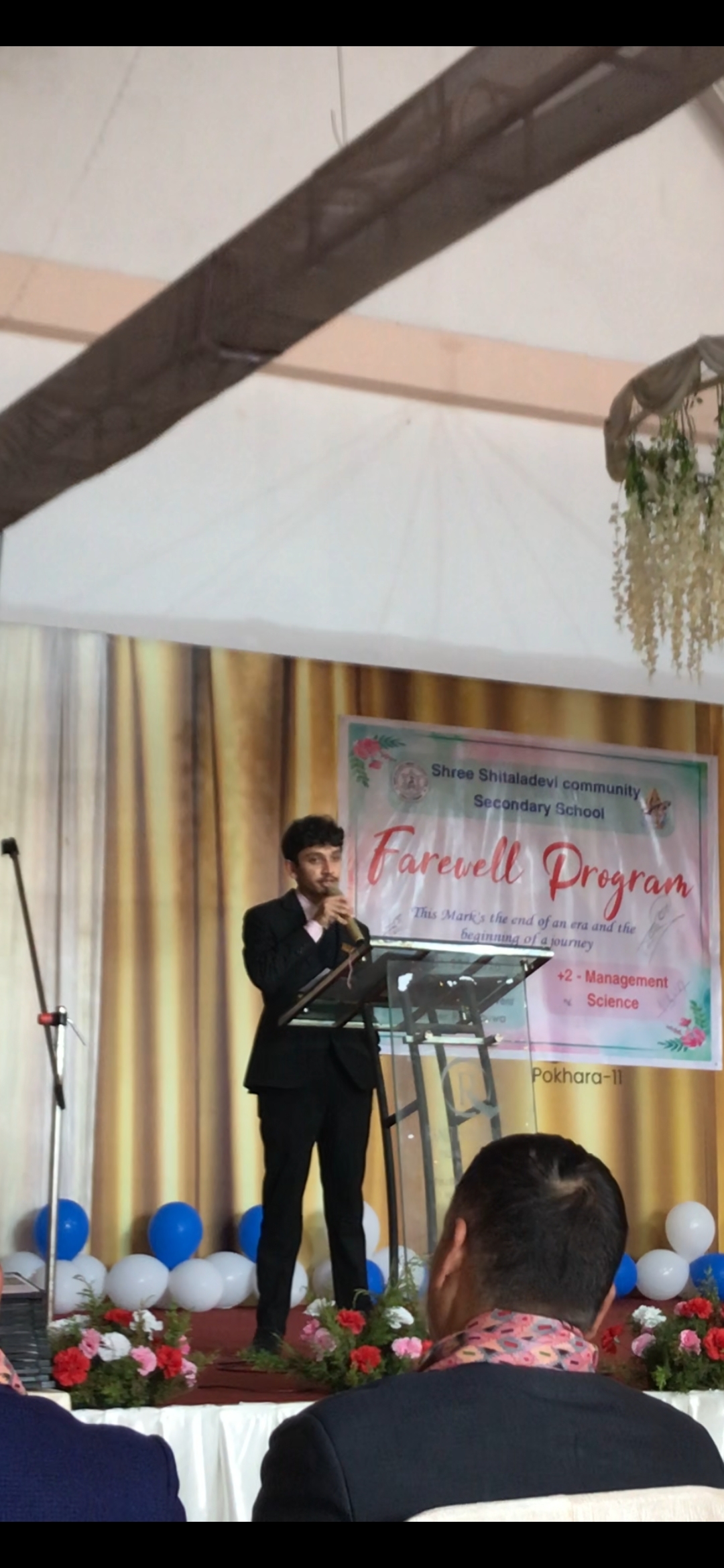
Later, my college asked me to give the welcome address to the incoming batch. I said
yes before I could talk myself out of it. Then I panicked. Then I rehearsed. For
hours, alone, out loud, until the nerves got bored and left. The day of the speech,
my voice didn't shake. Not once. That moment taught me something I'll never forget.
Fear doesn't disappear. You just get better at carrying it.
Robotics taught me patience. Performing taught me presence. One showed me that
nothing is impossible if you sit with the problem long enough. That the answer is
always in the details you skipped. That the people who win aren't the smartest.
They're the ones who don't quit at the boring part. The other gave me the calm to
stand for what I believe, out loud, in front of people, without shrinking. It showed
me that the voice that shakes the most is often the one that most needs to be heard.
Those two things aren't separate for me anymore. They feed each other. The engineer
in me plans the speech. The performer in me presents the build.
I'm not scared of failure anymore. If something breaks, I don't stop. I build the
next version. That's the whole game. Nothing is wasted. Every burnt component, every
dead sensor, every rehearsal that went badly, it all goes into the next attempt.
In five years, I want to be standing on a stage in front of a full room, talking
about something I built that actually helped someone. Not chasing the people ahead
of me. Not trying to catch up. Just moving like I'm already two years past where I
am, and using everything I've learned to solve the problems nobody's had the
patience to solve yet.
That's the plan. I'm already halfway there.
— Aarav Baral